
Losing a single tooth can throw off more than your smile. It changes how you bite, how nearby teeth shift, and how confident you feel when you talk or eat in front of others. The good news is that a missing tooth today does not have to be a missing tooth for good, and the choice between a dental implant and a dental bridge often comes down to how you want to invest in your long-term oral health.
At The Smile Lounge, we help patients throughout Los Alamitos weigh both options so they can choose the one that fits their goals, their timeline, and their budget. Dr. Kurt Tran built our practice around a comprehensive, “super GP” approach, which means you get an honest conversation about implants, bridges, and everything in between, all under one roof.
How a Dental Implant Works
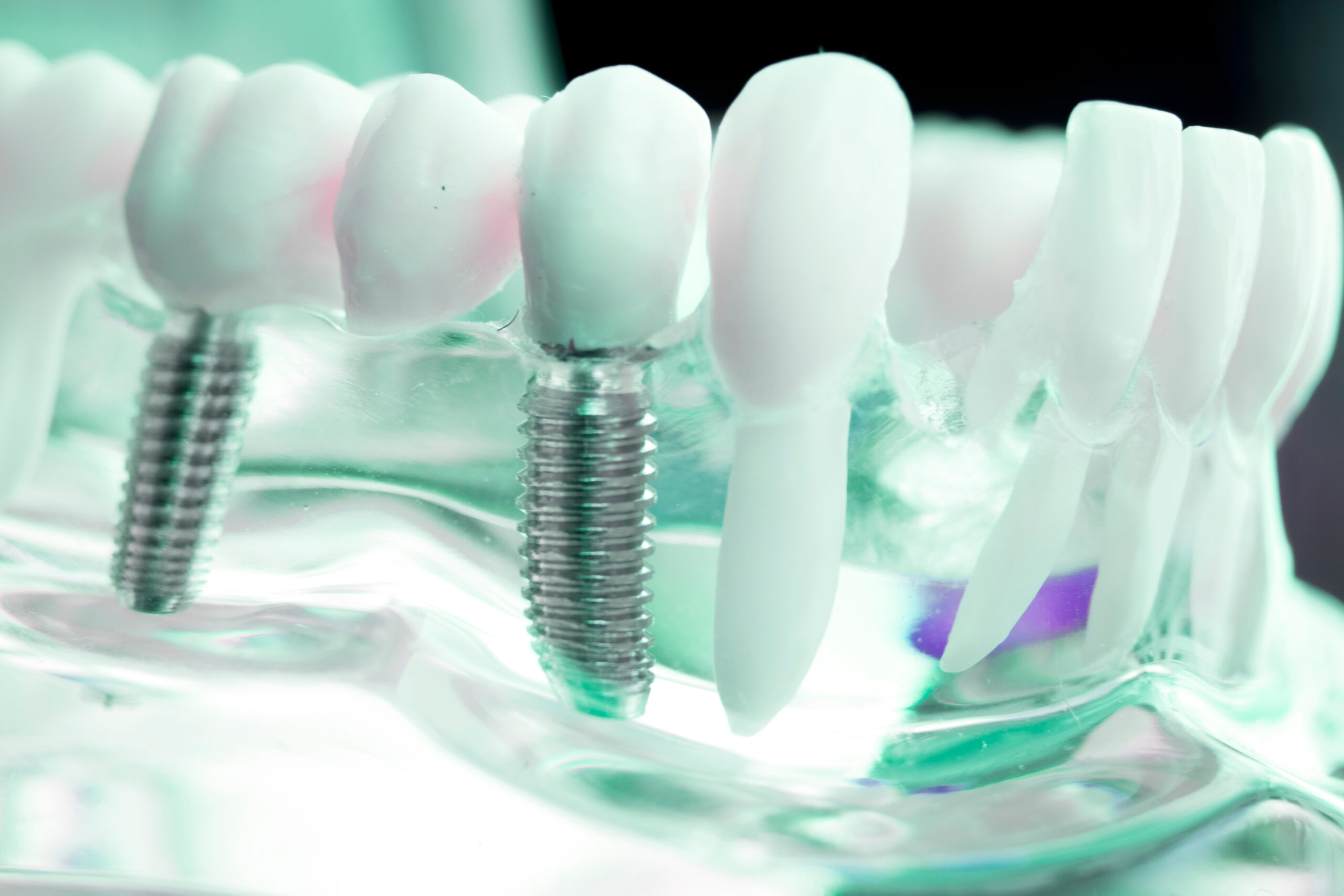
A dental implant replaces the entire tooth, root and all. A titanium post is placed directly into the jawbone, where it fuses with the bone over several months in a process called osseointegration. Once healed, we attach a custom crown on top, giving you a replacement tooth that looks, feels, and functions like your own.
Because an implant does not rely on neighboring teeth for support, it also helps preserve the jawbone underneath it. Bone loss is a common consequence of missing teeth, and an implant is one of the few options that actively works against that process by stimulating the bone the way a natural tooth root would.
How a Dental Bridge Works
A bridge takes a different approach. Instead of replacing the root, it fills the gap by anchoring a false tooth to the teeth on either side of it. Those neighboring teeth are shaped and capped with crowns, which then support the replacement tooth suspended between them.
A bridge is typically faster to complete than an implant since it does not require a healing period for bone integration. However, it depends on the health and strength of the surrounding teeth, and those teeth must be permanently altered to hold the crowns. According to the National Institute of Dental and Craniofacial Research, adults ages 20 to 64 have an average of 25.5 remaining teeth, so protecting the natural teeth you still have often shapes this decision.
Comparing Longevity and Maintenance
Longevity is one of the biggest differences between the two options. A well-placed implant can last decades, sometimes a lifetime, with routine care. A bridge typically lasts 10 to 15 years before it may need to be replaced, largely because the supporting teeth and the cement holding the bridge in place wear down over time.
Maintenance also looks a little different. You care for an implant like a natural tooth, with regular brushing and flossing. A bridge requires more attention underneath the false tooth, since food and bacteria can collect in that space if it is not cleaned properly. Patients who want a low-maintenance, long-term solution often lean toward an implant once they understand this tradeoff.
Cost and Insurance Considerations
Cost is often the deciding factor for many patients. A bridge usually costs less upfront than an implant, which can make it appealing if you are working within a tighter budget or a shorter timeline. That said, an implant’s higher initial investment can pay off over the years, because it typically doesn’t need replacement the way a bridge eventually does.
Insurance coverage varies by plan and provider, so it helps to understand your benefits before deciding. Our team works with major carriers, including these dental insurance options, and we also offer financing through Cherry, CareCredit, and Alphaeon for patients who want more flexibility.
What to Expect During Treatment
Whichever path you choose, we want you to feel comfortable from your first visit to your last. A few things typically shape the process for both options:
- Evaluation: We start with a full exam and imaging to check your bone density, gum health, and the condition of any neighboring teeth.
- Treatment planning: We walk you through the pros and cons of each option based on your specific situation, timeline, and goals.
- Placement: An implant involves a minor surgical procedure and a healing period, while a bridge is placed after we prepare and measure the supporting teeth.
- Follow-up care: We schedule check-ins to confirm your restoration fits well and functions as it should.
Every patient’s mouth is different, so this process may look slightly different depending on your needs. What stays the same is our attention to detail at every step, so you leave with a result you feel good about.
Choose The Smile Lounge for Your Tooth Replacement
Whether an implant or a bridge makes more sense for your smile, we want you to feel confident in that decision, not overwhelmed by it. Dr. Tran designed The Smile Lounge to feel relaxed and judgment-free, with comfortable chairs, TVs, and blankets available so even patients with dental anxiety can get the care they need.
We also offer in-house oral surgery for patients who choose the implant route, along with restorative options like dentures for those exploring other paths to a complete smile. If you are ready to talk through your options with our team, reach out through our contact page, and we will help you find the right fit for your smile.